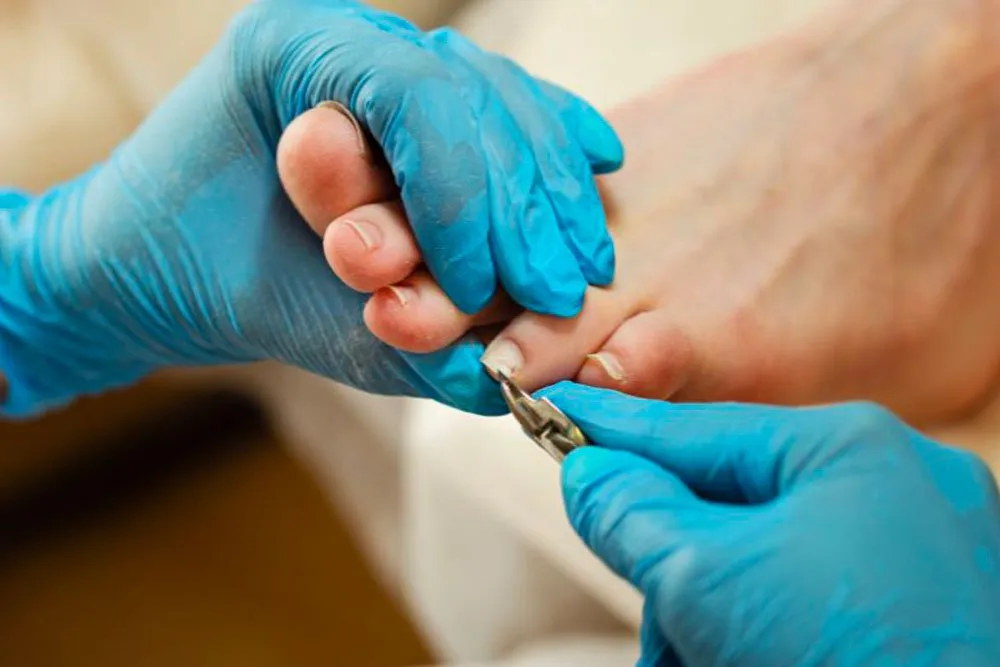
Foot care

Ingrowing toenails

Treatment for painful, inflamed and recurring ingrowing toenails.

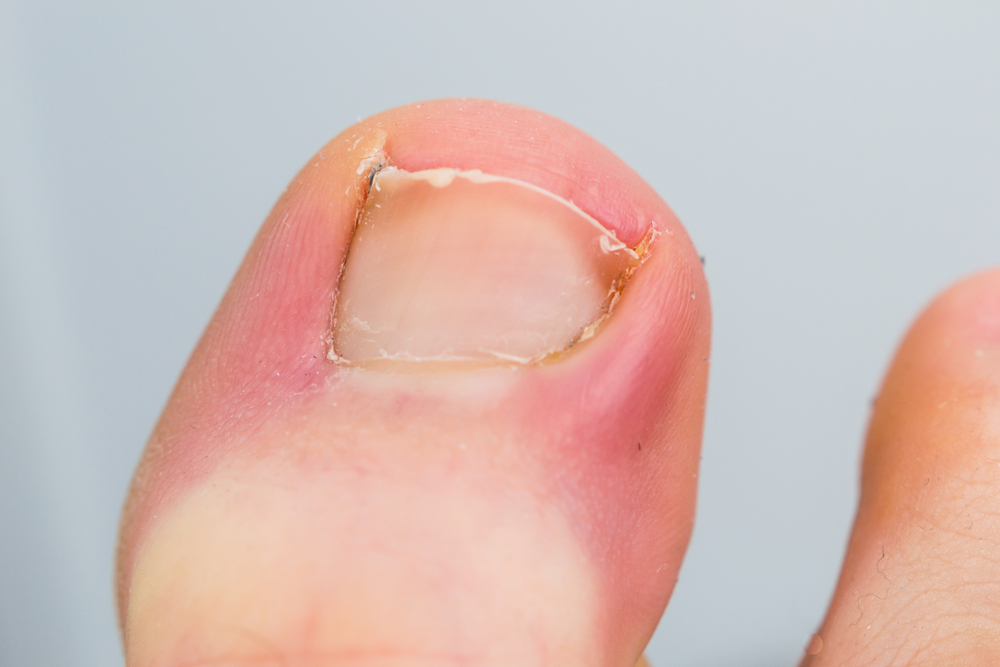
An ingrowing toenail can start as a small irritation at the side of the nail but can quickly become surprisingly painful. 

The surrounding skin may become red, swollen and tender and, in some cases, infected. Even something as simple as wearing shoes, walking or exercising can become uncomfortable. 

At Colpod Therapies, we can assess the nail, relieve the immediate problem where possible and discuss how to prevent it from repeatedly returning. Treatment can range from simple nail care through to a minor surgical procedure for more persistent ingrowing toenails. 

What is an ingrowing toenail?

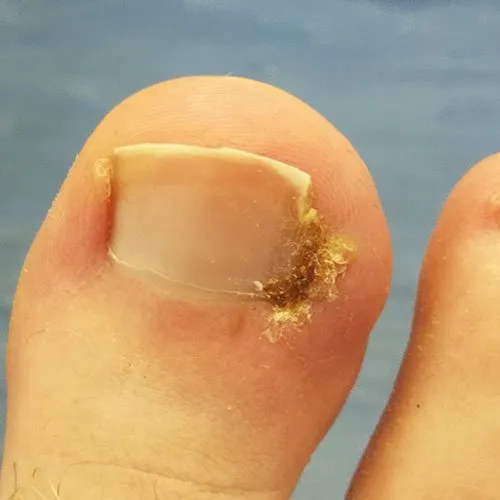
An ingrowing toenail develops when the edge or a sharp section of the nail presses into or breaks the surrounding skin. 

This creates irritation and inflammation and can lead to pain, redness and swelling. Once the skin has been broken, the area can also become infected. 

The big toe is most commonly affected, although an ingrowing nail can occur on any toe. 

Some people experience a single episode that settles with straightforward treatment. For others, the same edge of the nail repeatedly grows into the skin and becomes an ongoing problem.

What causes an ingrowing toenail?

There isn’t always one single cause. 

Common contributing factors include: 

  • The natural shape of the nail
  • Nails that curve significantly at the edges
  • Cutting the nail too short or cutting down the sides
  • Tight or poorly fitting footwear
  • Repeated pressure or trauma to the toe
  • Picking or tearing the nail
  • Thickened or damaged nails
  • Sweaty feet that make the surrounding skin softer
  • Sporting activities that repeatedly put pressure through the toes
  • Sporting activities that repeatedly put pressure through the toes 

Sometimes it is simply the combination of the shape of the nail and the shape of the toe that makes the problem keep returning. 

How do I know if I have an ingrowing toenail?

Early symptoms can include tenderness or sensitivity along one side of the nail.

As the problem progresses you may notice:

  • Pain when pressing the side of the nail
  • Redness
  • Swelling
  • Difficulty wearing certain shoes
  • Bleeding
  • Discharge or pus
  • Overgrowth of inflamed tissue around the nail

You don’t have to wait until the toe becomes severely painful before seeing us.

Treating the problem earlier can sometimes prevent a relatively straightforward ingrowing nail from becoming much more inflamed and difficult to manage.

What is the best treatment for an ingrowing toenail?

That depends on the nail and how severe the problem has become.

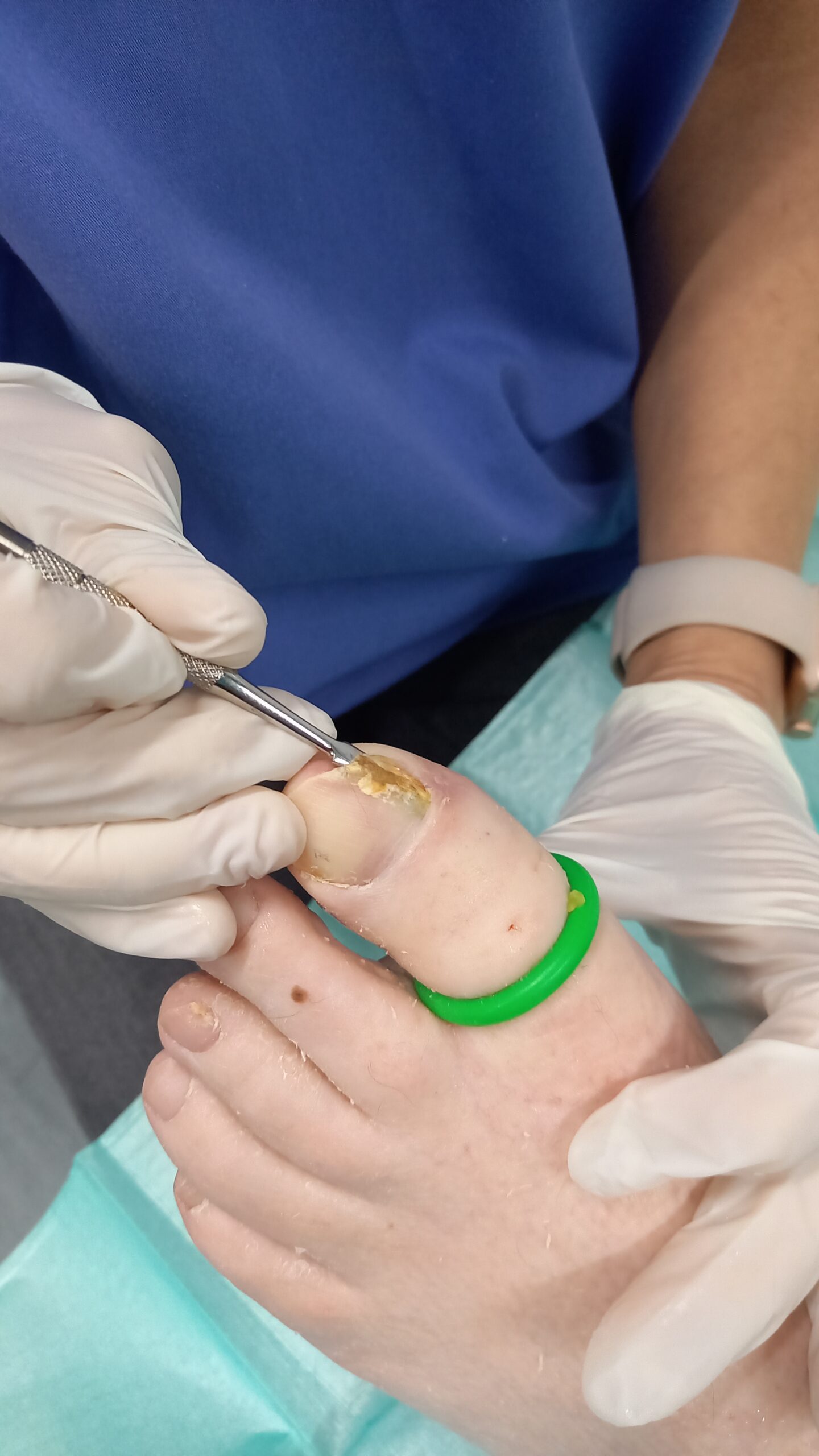
A mild or first-time ingrowing nail may simply require the troublesome edge or sharp piece of nail to be carefully removed. We can then give you advice about nail cutting and footwear to help prevent it happening again.

If the nail is very painful, infected or repeatedly grows into the same area, simply cutting it back may only provide temporary relief.

In these cases we may recommend nail surgery to permanently remove the troublesome section of nail.

The important thing is that not every ingrowing toenail automatically needs surgery.

We will assess the toe first and discuss the most appropriate option with you.

Ingrowing toenail treatment options

Conservative treatment

For less severe ingrowing toenails, surgery may not be necessary. 

Your podiatrist can carefully assess the nail and remove the section that is pressing into the surrounding skin where appropriate. 

It is important to ensure regular routine maintenance appointments to avoid unessessary discomfort.

Nail surgery

If your ingrowing toenail keeps returning, has become particularly painful or conservative treatment isn’t solving the problem, nail surgery can provide a longer-term solution. 

Nail surgery is a relatively straightforward procedure performed under local anaesthetic, so the toe is numb during treatment. 

In most cases we don’t need to remove the whole toenail. We can simply remove the small section along the side that is causing the problem. 

What happens?

  1. Your toe is made numb

    Local anaesthetic is injected around the base of the toe.


    We then wait for the anaesthetic to work and make sure the toe is completely numb before beginning the procedure.


    You may feel movement or pressure during the procedure, but you shouldn’t feel the nail being removed.

  2. The troublesome section of nail is removed

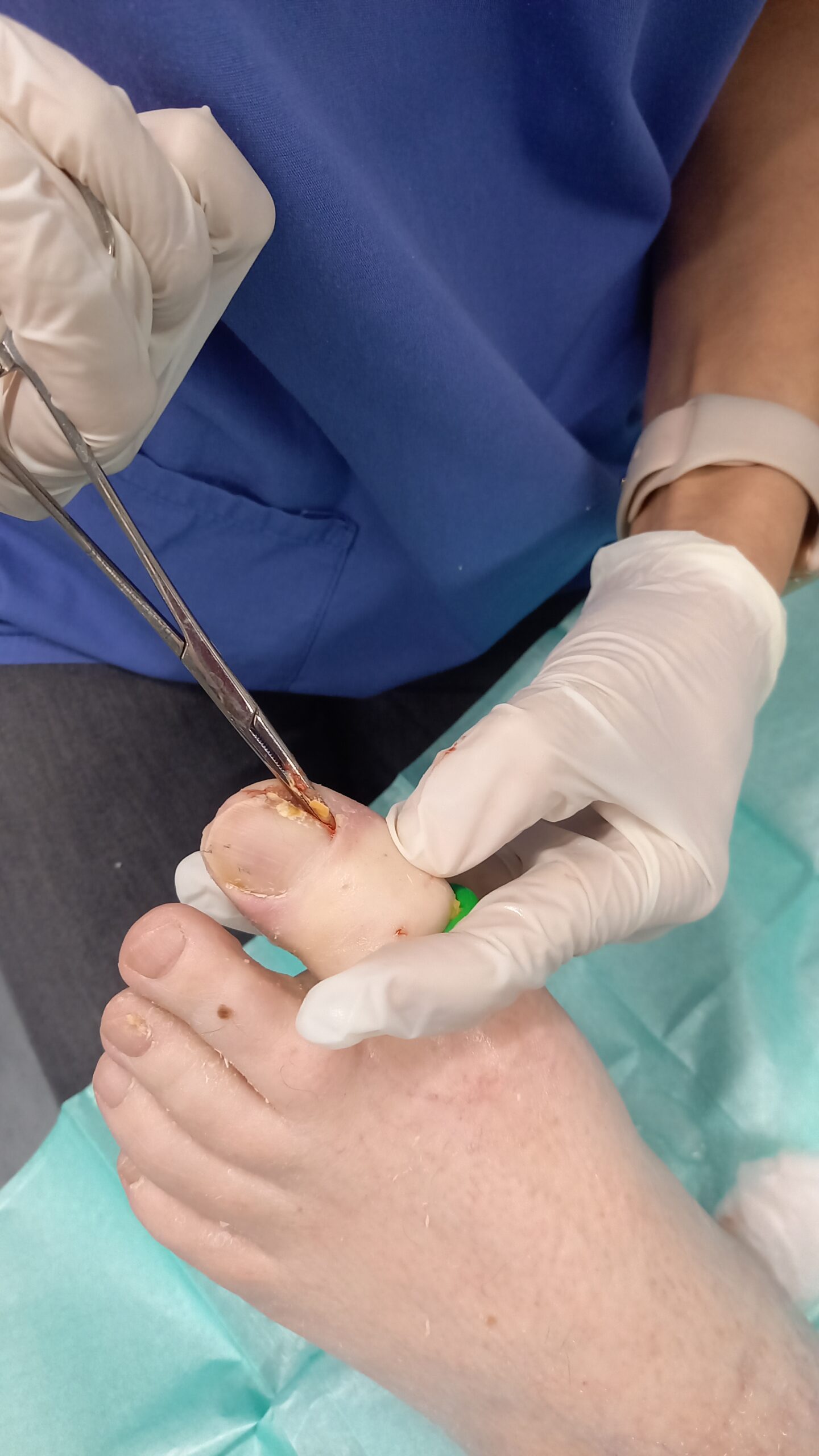
    A small section of nail is carefully separated and removed from the affected side.


    This is called a partial nail avulsion.


    Removing only the problematic section means that most of your toenail remains in place.

  3. We help prevent that section growing back

    Once the section of nail has been removed, a chemical called phenol is applied to the nail bed.


    The aim is to stop that particular section of nail regrowing and causing the same problem again.

  4. The toe is dressed

    Once the procedure is complete, a dressing is applied to protect the area.


    The procedure itself usually takes around 30 minutes, although your overall appointment will be longer to allow time for preparation, the local anaesthetic to work and dressing the toe afterwards.

FAQs

Your ingrowing toenail questions answered

Will an ingrowing toenail get better by itself?

Sometimes a very mild problem may settle if the pressure on the nail is removed. 

However, if a sharp section of nail has penetrated the skin, the problem may continue until that section of nail is removed. 

If the same edge repeatedly becomes painful, simply waiting for it to settle may result in repeated flare-ups.

Does every ingrowing toenail need surgery?

No. 

Many ingrowing nails can initially be managed by carefully removing the troublesome nail edge and relieving pressure on the surrounding skin. 

We generally consider surgery when the problem repeatedly returns, conservative treatment hasn’t worked or the nail is causing significant ongoing problems.

Does nail surgery hurt?

The part most people are understandably concerned about is the local anaesthetic injection. 

This can sting briefly while it is being given. 

Once the anaesthetic has worked, the toe should be numb before we start the procedure. We will check this before proceeding.

Will you have to remove my whole toenail?

Usually not. 

For a typical ingrowing toenail, we can often remove only a narrow section from the troublesome side. 

Occasionally removing the whole nail is more appropriate, particularly if it is very thick, damaged or causing problems on both sides.

What if my ingrowing toenail is infected?

An inflamed ingrowing toenail can sometimes produce discharge or pus. 

Removing the section of nail that is penetrating the skin is often an important part of resolving the underlying problem. 

Your podiatrist will assess the toe and advise you if additional medical treatment is required.  

Do I need antibiotics?

Not every red or inflamed ingrowing toenail requires antibiotics. 

Often the nail itself is continually irritating the skin, so dealing with the offending nail edge is important. 

If we are concerned about infection or think you require additional medical treatment, we will discuss this with you.

Can I drive after nail surgery?

We recommend arranging for somebody else to take you home following the procedure. 

The local anaesthetic can leave part of your foot numb for several hours and the initial dressing can also be relatively bulky. 

Can I go back to work after nail surgery?

This depends on your job. 

Someone working from home or in a mainly seated role may need very little time away. If you spend all day standing, wear safety footwear or have a physically demanding job, you may need to make some temporary adjustments. 

We can discuss this with you before your surgery.

Can I exercise after nail surgery?

Walking and normal daily activities can usually be gradually resumed as comfort allows. 

We recommend being more cautious with running, football, hiking and other activities that repeatedly load or knock the toe while it is healing. 

Your podiatrist can advise you when it is appropriate to return to your particular activity. 

What happens if I leave an ingrowing toenail untreated?

Some mild cases may settle, but a nail that continues to penetrate the skin can become increasingly painful and inflamed. 

You may develop swelling, bleeding, discharge or excess tissue around the nail. 

If the problem is repeatedly returning, it’s worth having it assessed rather than continually trying to cut the corner out yourself.

Can children and teenagers get ingrowing toenails?

Yes. Ingrowing toenails are common in younger people as well as adults. 

We can assess the nail and discuss conservative treatment or nail surgery depending on the severity of the problem.